
Effort can help a business grow, but effort alone cannot sustain growth indefinitely. As organizations expand, increasing workloads, complex decisions, and growing teams demand more than individual commitment. They require a well-designed business structure. Business scaling is not simply about doing more. It is about building systems that make growth repeatable and sustainable. Effective business design begins with clearly defined roles, streamlined processes, and measurable performance expectations. When responsibilities are clear and workflows are consistent,
BLOG
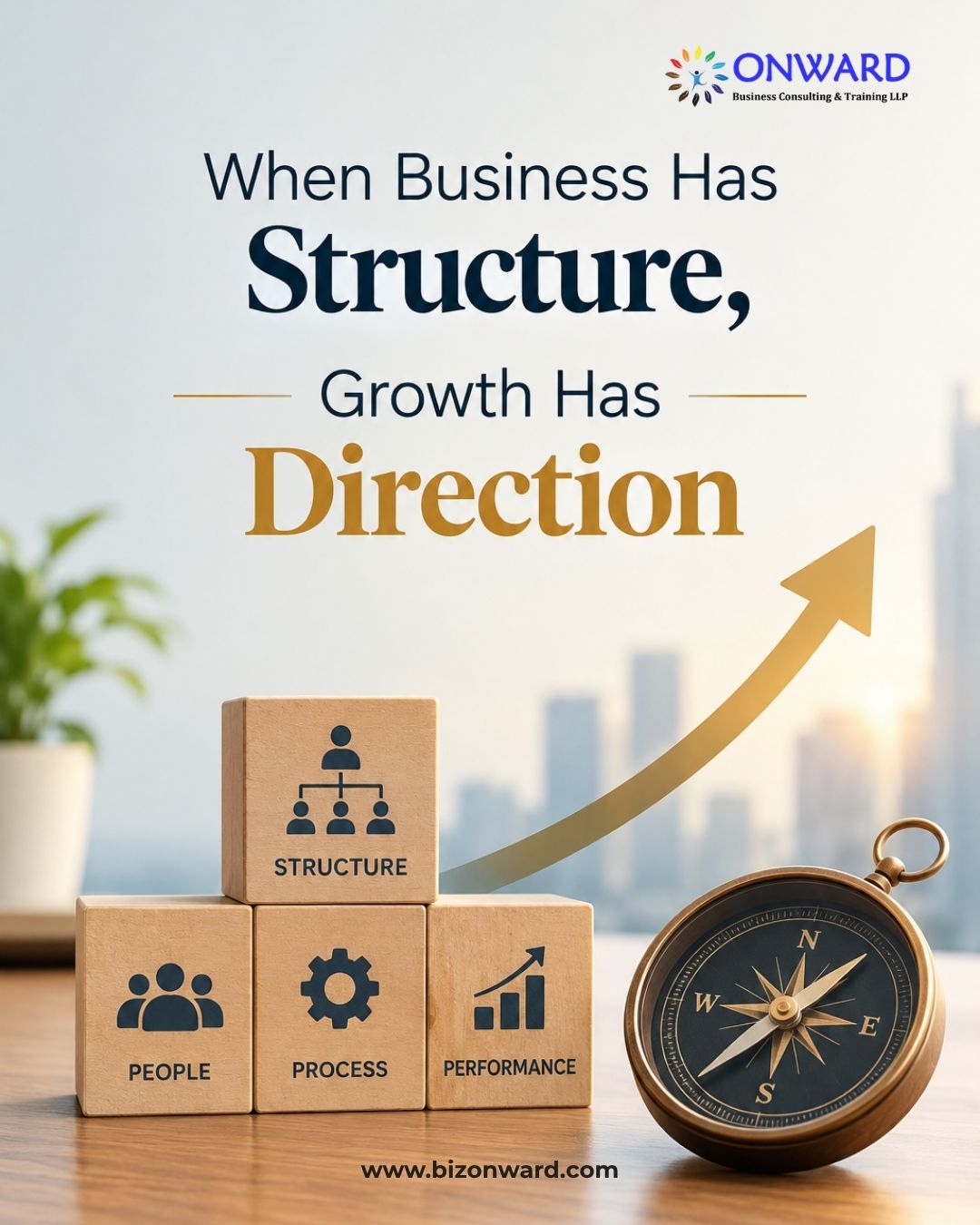
Growth without structure can create complexity faster than capability. As a business expands, relying on individual effort and informal ways of working becomes increasingly difficult to sustain. A strong business structure creates clarity across people, processes, and performance. It defines responsibilities, establishes reporting relationships, standardizes workflows, and creates measurable expectations. Structure does not mean unnecessary bureaucracy. Done correctly, it creates a framework that helps teams work with greater alignment and consistency. Employees know what they
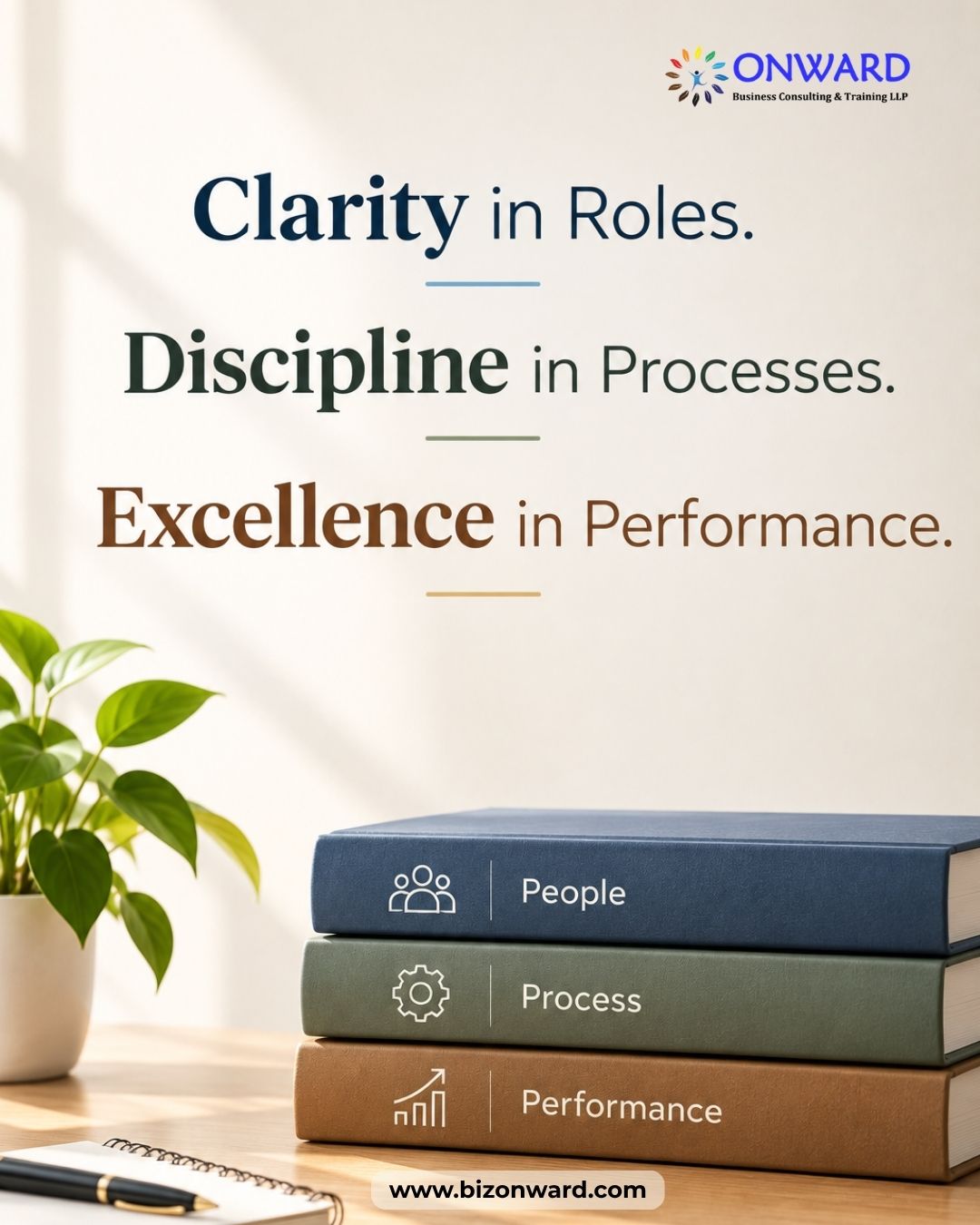
Strong organizational performance does not happen by chance. It is built through clarity, discipline, and consistency across people, processes, and performance. When roles are clearly defined, employees understand what is expected of them, who they are accountable to, and how their responsibilities contribute to broader business objectives. This reduces confusion, duplication of effort, and dependency on individuals. But role clarity alone is not enough. Disciplined processes create consistency in how work gets done. Well-defined workflows,
Business decisions often involve uncertainty, competing priorities, and incomplete information. While experience and intuition have their place, sustainable decision-making requires a more structured approach. Effective consulting helps organizations move beyond instinct-driven decisions by bringing clarity, analysis, and strategic structure into the decision-making process. It helps leaders understand the problem, evaluate available options, identify risks, and align decisions with broader business objectives. The value of structured decision-making is not about eliminating judgment. It is about strengthening
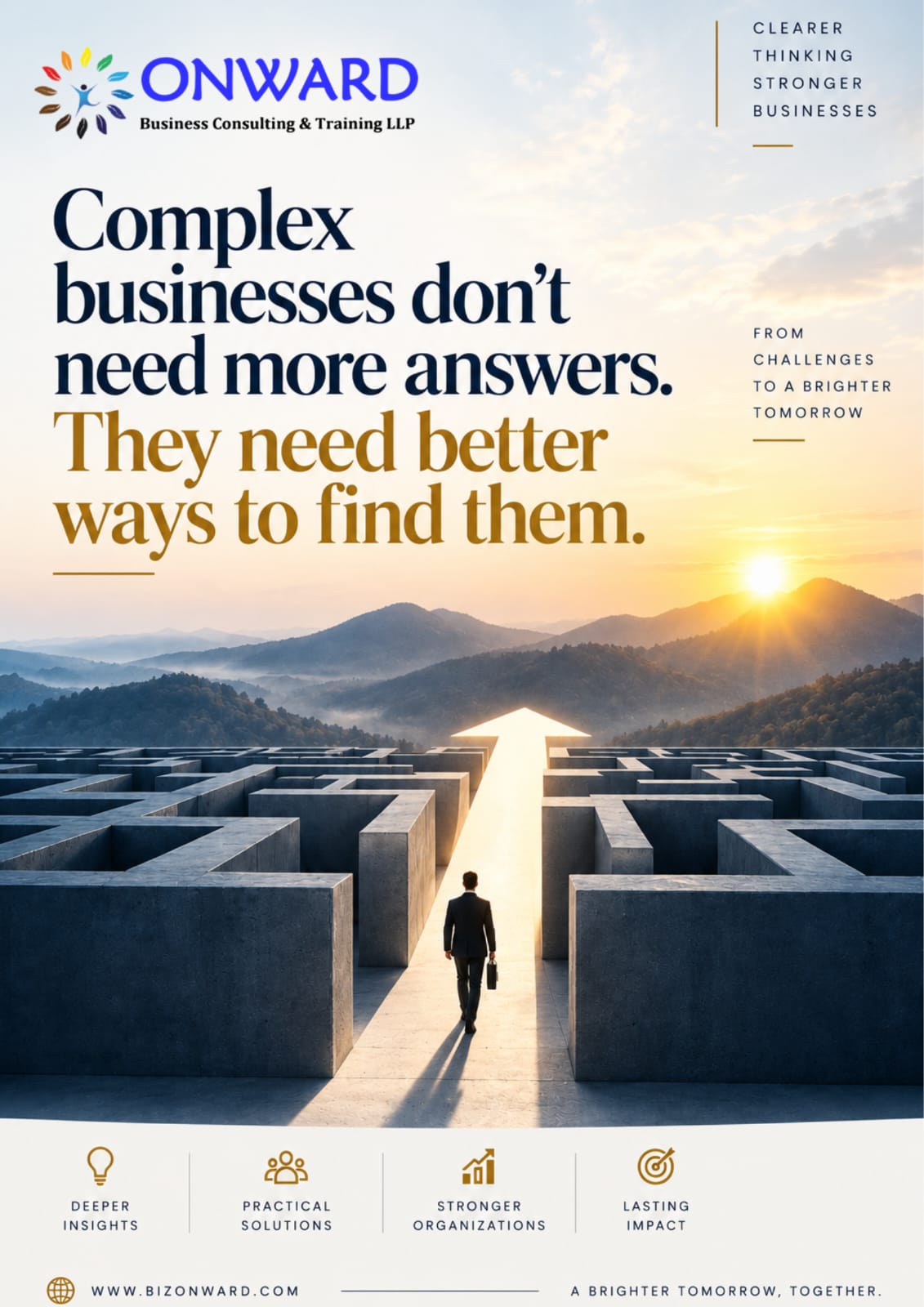
Complex businesses rarely struggle because they lack ideas or answers. The greater challenge is knowing which questions to ask, how to evaluate them, and how to turn insights into practical action. As organizations grow, problems become interconnected. A decision in one area can affect processes, people, customers, costs, and performance elsewhere. Quick answers may address symptoms, but sustainable progress requires deeper understanding. Effective management consulting helps organizations move beyond surface-level problem solving. It brings deeper
Amstor Building, Technopark-Kazhakkoottam Trivandrum, Kerala India - 695581
Incuspaze, 3rd Floor-Oberon Mall, Edappally, Kochi, Kerala India- 682024
2nd floor, Tower 2,
Hilite Business Park,
Calicut-673014
GIVE US A CALL
+91 9495 835 988
WRITE TO US
reach@bizonward.com
© Onward Business Consulting & Training LLP | Designed by thecoin